The proposed redevelopment site is near Bennerley Viaduct and on a former coal disposal point and green belt land.
Since the closure of the coal disposal point sometime in the latter half of the last century, the area has become an important brown field site. Brown field sites are typically made up of a mix of bare ground, short grassland, patches of weedy tall herbs, longer flower-rich grassland, scrub and temporary pools. This, combined with a lack of human intervention, means that these sites are an essential source of nectar, sheltered warm areas, opportunities for burrowing and good foraging habitat for insects. Other species such as reptiles can also thrive in these habitats due to an abundance of food, basking sites and shelter.
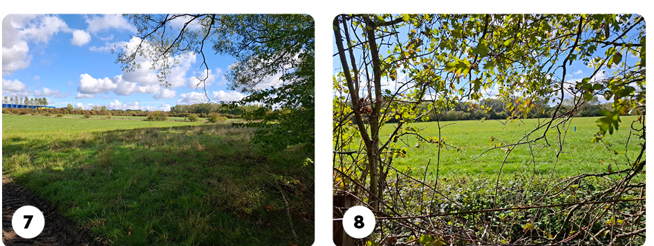
Brown field habitats are those which have experienced periodic disturbance and abandonment, which combined with low nutrient soils and introduced materials creates the mosaic of early successional habitats. A successional habitat is the first stage in a habitat’s journey towards becoming a forest. The drought-prone and nutrient-poor soils mean that although lush vegetation may develop in places, open bare areas can persist for a long time.
The importance of brown field habitats is recognised by their listing as Priority Habitat on Section 41 of the Natural Environment and Rural Communities Act (2006) under the name “Open Mosaic Habitat on Previously Developed Land”. Despite the recognition of the importance of this habitat within the planning system, development continues to pose the greatest threat to brown field sites.
The brown field site is adjacent to the Erewash River. The Erewash floods in wetter months creating wetlands which supports a diverse range of wildlife. Whilst passing through this area, I have had sight of:
– Lapwing – conservation status: Red
– Many other waders during the winter months
– House martins – conservation status: Red
– Common swifts – conservation status: Red
– Kestrels
– Kingfisher
– Otter – conservation status: Near threatened
The site is also locally well-known for its ponds populated by great crested newts – conservation status: Red.
The brown field site is supported by its proximity to the River Erewash, Nottingham Canal and the Erewash Canal. Many of the species mentioned are reliant on the river and its creation of the wetland. Development upstream will almost certainly have a devastating impact on the water quality of the wetland and beyond. Development on the green belt near the brown field site, will destroy the connectivity of the landscape that supports the invertebrates, mammals and birds. This loss reduce the bio-abundance and biodiversity, which we can ill afford when actually our united aim should be to restore nature.
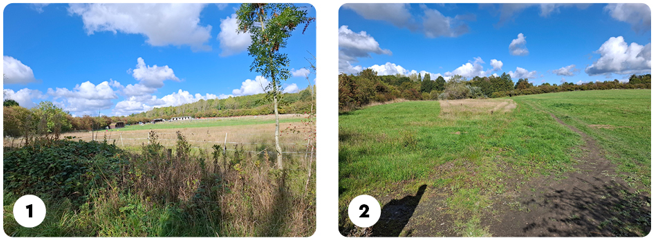
This latest development comes on the back of the recent destruction and complete loss of 25 acres of wildlife meadows with the development of a new housing estate, Bennerley View, just off the A6069 to the west of Awsworth. We have lost 97% of our grasslands and wildflower meadows since the 1930s.
With nature already being depleted, the government backtracking on their promise to do more for nature and there being very little real world legal protections for species and habitat, I fear that if this development goes ahead, nature will lose again.
If you have not already read the ‘State of Nature’ Report published in October 2023, please do read (link here: TP25999-State-of-Nature-main-report_2023_FULL-DOC-v12.pdf). Headlines form the report include 16% (almost 1,500) species in Great Britain are now threatened with extinction. This report shows why it is important for all of us to do our part to protect habitat for wildlife in our corner of the country.
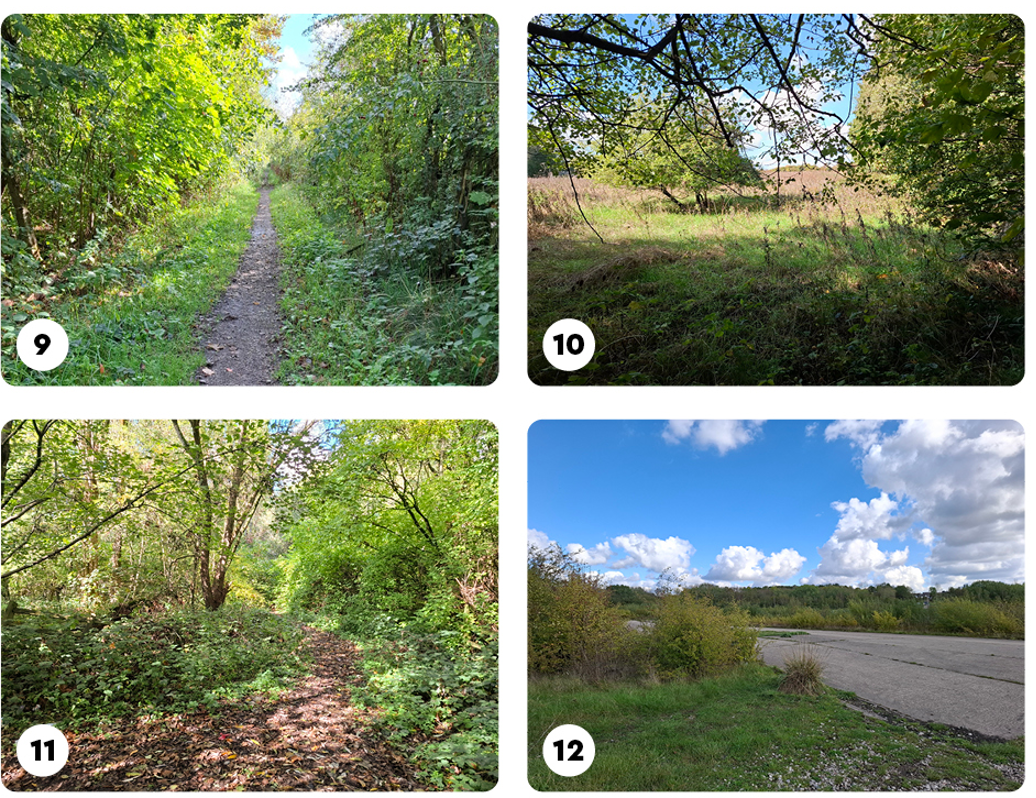
It is vital that if you are walking, cycling, running in the area and spot any rare wildlife that is recorded, such reptile, bats, great crested newts, nesting birds, badgers, etc. You can record any sightings on the Nature Counts website: https://record.nottinghamshirewildlife.org/ The records will make their way to the Nottinghamshire Biological & Geological Records centre. This information is then used by the ecologists to determine what wildlife is present on site. These records will be taken into consideration during the planning process. If the presence of these species goes unrecorded, they can be overlooked, particularly the more elusive species such as reptiles, such as an adder, hedgehogs, etc. A record of a rare creature might be enough to stop this development from going ahead.
Leave a Reply